


Introduction: When the Don Wrote a Diary
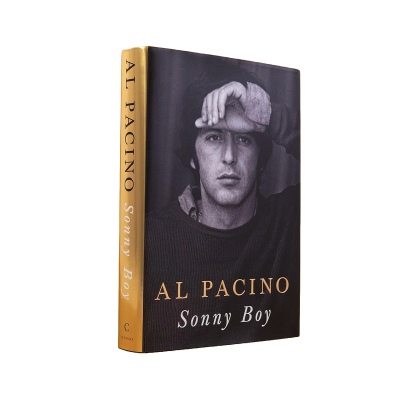
Let’s get this out of the way: Sonny Boy is not a ghostwritten PR puff piece full of self-congratulation and spa retreat anecdotes. It is, miraculously, the real deal – messy, moving, occasionally mad – and yes, entirely written by that Al Pacino. You know, the man whose whisper-shout technique has singlehandedly redefined acting volume since 1972.
At 84, most people are thinking about soup and stairs. Not Al. Instead, he’s penned a memoir so personal it reads like a therapy session with better lighting. Sonny Boy is raw, occasionally pretentious and unexpectedly funny – like if Harold Pinter wrote an episode of Dr. Phil while hungover.
Table of Contents
Growing Up Pacino: Tragedy, Cigarettes & Shakespeare in the Bronx
Born in 1940 in East Harlem, Pacino was raised in the South Bronx by his mother and grandparents after his father left. If you’re imagining a young Al as some kind of streetwise poetic urchin, chain-smoking and quoting King Lear on the fire escape – you’re not entirely wrong.
His mother, Rose Gerardi, suffered from mental illness and died when Pacino was just 22. This moment haunts the book like a ghost with perfect comic timing. Pacino admits that her passing lit a fire in him, one that would eventually lead him away from petty crime and toward the theatre, although probably not before a few regrettable choices involving suspicious substances and more than one jail cell.
As a child, Pacino found himself more drawn to the emotional cacophony of the stage than the literal chaos of his neighbourhood. It was either that or become a criminal with soliloquy skills and thankfully, Broadway won.
Becoming Michael Corleone (Despite Being Awful at Driving)
Before he became the brooding heartbeat of The Godfather, Pacino was a struggling actor with one foot in off-Broadway and the other in unpaid rent. He studied at the famed Actors Studio under Lee Strasberg, where he learned method acting – a discipline that basically involves feeling everything so intensely that your own family starts to question their reality.
In Sonny Boy, Pacino recalls his early performances with the kind of self-deprecating charm that suggests he’s still baffled anyone paid him. His breakthrough role came in The Panic in Needle Park (1971), where he played a heroin addict with such conviction, people probably offered him detox leaflets after screenings.
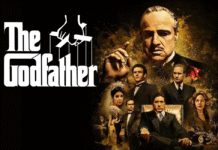
But The Godfather (1972) is where Pacino really made his bones. In a gloriously awkward anecdote, he recounts not being able to drive while filming, prompting director Francis Ford Coppola to groan, “Why did I ever hire you?” Fortunately, Coppola didn’t fire him – probably because Pacino looked like he could have you “taken care of” just by blinking.
Fame, Fortune and an Unofficial Degree in Self-Sabotage
Once fame kicked in, so did the self-destruction. Pacino drank, he raged, he fell in and out of love with almost everyone he met. What’s refreshing is that Sonny Boy doesn’t try to justify or sanctify this behaviour. Pacino owns it. He talks about how success warped his sense of reality and how art became both a shield and a weapon.
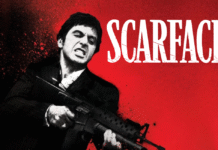
And in the most Pacino twist imaginable, despite portraying a literal MOUNTAIN of coke in Scarface, he swears he’s never done it in real life. “Cocaine was never my drug,” he insists. That’s right – Tony Montana was entirely fictional. Who knew?
Eventually, he sobered up. He got therapy. He embraced fatherhood. He stopped chasing chaos and started chasing meaning. And in the process, he became a human being again – albeit one who occasionally recites Othello in the kitchen while frying eggs.
The Women, The Work, The Madness
Pacino doesn’t shy away from his complicated relationships, both romantic and professional. His love life reads like the guest list to a painfully cool Hollywood party: Diane Keaton, Marthe Keller, Beverly D’Angelo… and a few unlisted names, probably out of legal caution.
He’s not the best at intimacy, by his own admission. He’s a man who can dissect Hamlet’s psyche in five languages but struggles to reply to a heartfelt voicemail. But there’s growth here. He reflects on the impact his emotional distance had on his children and you get the sense that Sonny Boy is, in part, a letter of apology to them – albeit one disguised as a gritty monologue.
When he talks about acting, though, he lights up. Whether it’s revering Eugene O’Neill or describing the terror of opening night, Pacino’s passion for performance leaps off the page like a deranged Shakespearean ghost. He’s a lifer. A man so in love with the craft he once said no to blockbuster cash in favour of playing Richard III in a leaky regional theatre.
Still Mad After All These Years
At 84, Pacino has somehow become both a legend and a punchline. But Sonny Boy reminds us that behind the memes and “Hoo-ah!” impressions is a man who clawed his way out of poverty, addiction and self-doubt to become one of the most compelling actors of his generation.
He’s not polished. He’s not perfect. But damn, he’s interesting.
And in a culture that churns out sanitised celebrity bios like shrink-wrapped pre-cut fruit, Sonny Boy is a glorious, unpredictable mess, a memoir that doesn’t just show you the man behind the curtain, but invites you in for a drink and possibly a screaming match about Merchant of Venice.
Conclusion: Should You Read Sonny Boy?
Yes. Especially if you enjoy stories about broken geniuses piecing themselves back together one role and one regret at a time. Sonny Boy is a masterclass in vulnerability, sprinkled with wisdom and madness and just enough absurdity to make you laugh in public.
It’s a rare thing: a celebrity memoir that doesn’t feel like marketing. Instead, it feels like a confession made at 3 a.m., fuelled by coffee, insomnia and a lifetime of stories too good not to tell.
Book not found.